
With so many types of summer camps available, making a choice is far from simple these days.
One parent we spoke to said, “I just want my kid to have fun, make a few friends, and not be on a screen all day, but how do I know what kind of camp actually fits him?”
We have heard that same question from hundreds of parents over the years.
There are more types of summer camps now than ever before, and each offers something different. Below, we break down the main options so you can find a program that feels just right for your child (and your schedule).
Traditional Summer Camps

This is the “classic” camp setup you probably picture: cabins, counselors, campfires, and a big lake somewhere in the woods.
Most traditional overnight camps run for 2-8 weeks and include a wide mix of activities, swimming, hiking, crafts, archery, team games, skits, and more.
These camps are great for helping kids unplug, meet new friends, and gain some independence in a safe setting. Many also offer day camp versions for younger campers.
If you are after the full overnight experience, you can browse residential options.
Sports Camps
If your child is happiest with a ball in hand, a sports camp could be the way to go.
These camps focus on building skills in a specific sport, like soccer, football, tennis, or softball. Some offer multi-sport sessions with different activities throughout the week.
There are camps for all skill levels. Parents love these camps for the structure, the fitness benefits, and how much energy gets burned off by dinner time.
Adventure & Expedition Camps

If your child loves the outdoors, or you want them to love the outdoors, adventure camps are worth a look.
These programs often include hiking, kayaking, zip-lining, rock climbing, survival skills, and multi-day treks. Expect mud, mosquito bites, and big grins.
STEM / Academic / Tech Camps
STEM camps are perfect for curious kids who love to build, code, or ask “what if?”
These camps focus on science, technology, engineering, math, and often throw in creative problem-solving and hands-on projects.
Tech camps might include:
- Coding and robotics
- Game or app development
- 3D printing
- Engineering challenges
- Space and astronomy activities
Arts & Performance Camps

Not every child wants to hit a ball or build a robot. Some want to perform, paint, or choreograph a dance routine.
Arts camps let kids dive into their creative side through theatre, dance, painting, writing, or even filmmaking.
They are ideal for expressive kids, shy kids, or anyone who feels most at home on stage or with a sketchpad.
Music Summer Camps
If your child hums through breakfast or keeps a violin in their backpack, a music camp might hit the right note.
These camps often include ensemble work, private lessons, and theory classes. Some focus on classical music, while others lean into jazz, rock, or songwriting.
Music camps help kids build confidence, collaborate with peers, and sometimes even record or perform in public.
Language & Cultural Camps
Want to give your child a head start in Spanish or expand their view of the world?
Language camps offer full or partial immersion in languages like Spanish, French, Mandarin, or Arabic. Cultural camps may include traditional foods, songs, games, and customs.
Special Needs / Inclusive Camps
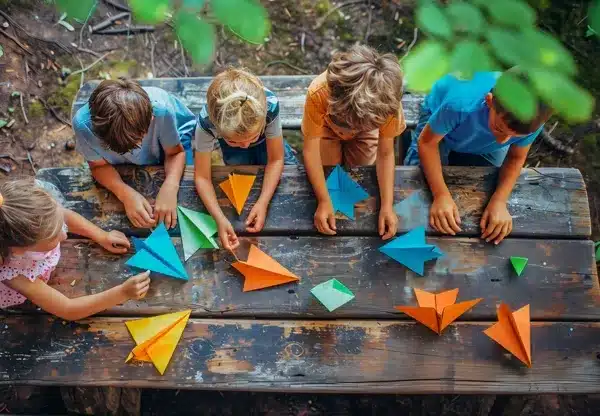
If your child has physical, developmental, or social needs, inclusive summer camps can provide a safe, joyful environment.
These programs are run by trained staff and may offer:
- Sensory-friendly spaces
- One-on-one aides
- Accessible facilities
- On-site medical care
- Social-emotional support
The whole camp experience is shaped to help kids feel like they truly belong. For many parents, it is the first time camp has ever felt like an option.
Religious or Values-Based Camps
Faith-based camps weave shared beliefs into everyday camp life.
This might look like:
- Morning devotions or evening prayers
- Bible studies or Torah lessons
- Worship music, rituals, or discussions
- Service projects or mission-focused weeks
Most also offer sports, crafts, and outdoor play. The difference is in the atmosphere.
Family, Scouts, and Group Camps
Camp does not always mean going it alone. Some programs are made for families, Scouts, or close-knit groups. These camps create shared experiences across ages and generations.
You might see:
- Family lodges with nature trails and crafts
- Scouts BSA or Girl Scout overnight camps
- Faith-based family retreats
- Parent-child “wilderness weekends”
They are great for bonding, trying something new together, and easing kids into future solo camp sessions.
Specialty & Niche Camps

Some kids need something different, and some families need a schedule that actually works. Specialty camps usually cover:
- Virtual camps for kids who feel more comfortable learning at home
- After-school programs to keep them busy (and happy) year-round
- Faith-based camps that focus on values, community, and connection
- Fitness and weight loss camps with a kind, supportive approach to health
- Winter and spring break camps for kids who cannot wait until summer
Choose the Right Camp for Your Child
The best summer camp is not the one with the flashiest website, it is the one where your child feels safe, included, and excited to show up each morning.
We have written a full guide on how to choose the right summer camp, but here is the quick version:
- Start with their interests
- Consider age, personality, and readiness
- Decide on day vs. overnight
- Set a budget
- Ask your child what sounds fun
👉 Ready to explore? Browse all summer camp locations or search for camps near you.
FAQ
How Do I Know if My Child Is Ready for an Overnight Camp?
Look for signs of independence, like brushing teeth without reminders or enjoying sleepovers. If your child asks about overnight camp, they might be more ready than you think.
Which Type of Summer Camp Is Best for My Child?
It depends on their personality and interests. Athletic kids might love sports camps. Quiet creatives might prefer arts or nature programs. You know your child best.
Are There Summer Camps for Children With Special Needs?
Yes. Many camps are designed specifically to support neurodivergent children, kids with disabilities, or those with chronic conditions. Start with special needs camps.
What Age Groups Do Summer Camps Serve?
Most camps serve children from ages 5 to 17. Some also offer CIT (Counselor-in-Training) programs for older teens.
How Long Do Summer Camps Usually Last?
Day camps typically run 1 to 2 weeks per session. Overnight camps can run 2 to 8 weeks, depending on the program.
Do Summer Camps Offer Financial Aid or Scholarships?
Many do, especially nonprofit or ACA-accredited camps. Always ask about financial assistance during registration. It is more common than you think.