
Summer camps are a beloved tradition for many children and teenagers, offering a chance to make friends, learn new skills, and create lifelong memories. However, for parents, safety is a top concern when considering sending their child off to camp. Are summer camps safe? This article takes a comprehensive look at camp safety, addressing common concerns and providing insights to help parents make informed decisions about their child’s summer camp experience.
The Foundation of Summer Camp Safety
Before we delve into specific safety aspects, it’s essential to understand that summer camps prioritize the well-being of campers. Camp directors, counselors, and staff members are dedicated to creating a safe and nurturing environment where children can thrive. The foundation of camp safety is built on the following principles:
1. Staff Training and Qualifications:
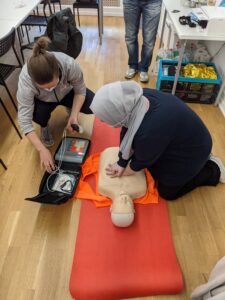
Camp staff members undergo rigorous training to ensure they are well-prepared to handle various situations. They are often certified in first aid, CPR, and other essential skills. Many camps also conduct background checks on staff members.
2. Safety Policies and Procedures:
Summer camps have established safety policies and procedures in place to address a wide range of scenarios, from medical emergencies to weather-related incidents. These protocols are regularly reviewed and updated.
3. Supervision:
Campers are supervised at all times, whether during activities, meals, or rest periods. The camper-to-counselor ratio is carefully maintained to provide individualized attention and ensure that every child is accounted for.
4. Health and Medical Care:
Camp infirmaries are staffed with qualified medical personnel who can address minor illnesses and injuries. For more serious medical concerns, local healthcare facilities are readily accessible.

5. Emergency Preparedness:
Camps conduct regular emergency drills and have plans in place for evacuations, fire safety, and natural disasters. Staff members are trained to respond swiftly and efficiently in case of emergencies.
6. Communication with Parents:
Parents are kept informed about their child’s well-being through regular updates, phone calls, or emails. Camps have communication policies in place, so parents can reach their child or camp staff when necessary.
Common Summer Camp Safety Concerns Addressed
Now, let’s address some common safety concerns that parents may have and how camps address them:
1. Health and Medical Care:
Concern: Parents worry about their child’s health and safety while at camp, especially if they have medical conditions or require specific medications.
Camp Response: Camps have medical staff trained to administer medication and provide basic medical care. They collect detailed health information from parents before camp starts and tailor their care to each child’s needs. In the case of serious medical issues, camps have protocols for contacting parents and arranging prompt medical attention.
2. Homesickness:
Concern: Homesickness is a common concern, particularly for first-time campers.
Camp Response: Camps are well-prepared to handle homesickness. They have experienced counselors trained to provide emotional support and encouragement. They create a positive and nurturing atmosphere that helps campers build friendships and enjoy their camp experience.
3. Bullying and Peer Conflicts:
Concern: Parents worry about their child’s well-being in social situations and want to ensure they are safe from bullying or conflicts.
Camp Response: Camps promote a culture of respect and inclusion. Counselors are trained to address conflicts promptly and teach campers conflict resolution skills. They encourage open communication and maintain a watchful eye on camper interactions.
4. Water and Outdoor Activities:
Concern: Water-related activities, like swimming and boating, can be sources of concern for parents, especially if their child is not a strong swimmer.
Camp Response: Camps adhere to strict safety guidelines for water activities. Lifeguards are present at all times during swimming and boating sessions. Campers are assessed for their swimming abilities and assigned to appropriate skill levels or provided with flotation devices as needed.
5. Security:
Concern: Parents may be concerned about unauthorized access to the camp or the safety of their child within the campgrounds.
Camp Response: Camps have security measures in place, such as controlled access to campgrounds and restricted entry. Visitors, including parents, typically need to check in and out. Camps also educate campers about personal safety and reporting any suspicious behavior.
6. Food Allergies and Dietary Restrictions:
Concern: Parents of children with allergies or dietary restrictions worry about food safety.
Camp Response: Camps take food allergies and dietary restrictions seriously. They work closely with parents to accommodate special dietary needs and educate kitchen staff about food allergens. Camps have protocols in place to prevent cross-contamination and ensure camper safety.
Choosing the Right Camp That Is Safe
To ensure your child’s safety at summer camp, it’s essential to select a camp that aligns with your values and meets your safety criteria. Here are some steps to consider when choosing a camp:
1. Research Camps:
Start your search by researching camps here at summercamps.com. Read camp websites, reviews, and testimonials. Consider asking friends or family for recommendations.
2. Contact Camp Directors:
Reach out to camp directors to ask questions about safety, staff qualifications, and medical care. A responsive and transparent camp director can provide valuable information and address your concerns.
3. Review Camp Policies:
Carefully review the camp’s safety policies, including their health care procedures, supervision standards, and emergency protocols. Ensure that these policies align with your expectations.
4. Visit the Camp:
Whenever possible, visit the camp in person. Tour the facilities, meet the staff, and get a sense of the camp’s atmosphere. A visit can provide firsthand insights into safety measures and the overall camp experience.
5. Speak with Other Parents:
Talk to parents who have sent their children to the camp you’re considering. Their firsthand experiences and insights can help you make an informed decision.
In Conclusion
Summer camps are generally safe environments where children can grow, learn, and have fun. Camp directors and staff are committed to providing a secure and nurturing experience for every camper. By conducting thorough research, communicating with camp directors, and understanding camp safety protocols, parents can make informed decisions and ensure that their child has a safe and enjoyable summer camp experience.