
Summer camp is an amazing opportunity for people to have new experiences, hone their skills, have fun, and make new friends! Camp friendships can be amazing, whether it’s just for the summer or a pal for life.
However, it can be tricky to know how to make friends at summer camp. Going to camp can be a scary experience even by itself, especially if it’s a sleepaway camp or if it is a person’s first time away.
Making a friend can help alleviate some of the anxiety around many aspects of camp, but it can still be tough to make that leap.
In this guide, we’ll run you through everything you need to know about making friends at summer camp, including:
- Understanding the Camp Environment
- Actionable Steps to Making Friends
- Overcoming Common Social Hurdles at Camp
- The Role of Camp Counselors and Staff
- Building Bonds Beyond Camp.
As well as some frequently asked questions. Let’s dive in so you can be sure to make some friends at camp!
Understanding the Camp Environment
The first key step to making friends at summer camp is to acknowledge that you already have something in common with other campers: that you are there together!
The Shared Experience

While going to camp by yourself can naturally lead to some anxiety, you need to remember that everyone there is in the same boat as you!
Your fellow campers (and potential new friends) are also probably feeling nervous about being away from home and being thrown into a brand-new experience.
Sharing your worries in a lighthearted way can make others feel more comfortable with sharing as well and lead to strong friendships as a result!
Camp Activities and Bonding
The way that camp is structured is ideal for making friends.
There are loads of group and paired activities that help you connect with your fellow campers about a common goal.
You’ll be working and doing everything else together as well, particularly if it’s a sleepaway camp. The way camps are set up is perfect for making new friends.
Actionable Steps to Making Friends
If you’re worried about making friends at camp, here are a few more practical steps that should help you out!
Open Body Language and Approachability

Some studies have shown that over half of human communication is non-verbal, and that means body language is extremely important when making new friends!
Try to smile, have an open stance (relaxed shoulders rather than crossed arms), and greet people in a friendly way.
It should be noted that while body language is important, some people (particularly those with neurodiversity) may not be as aware of their body language, aware of others’ body language, or able to adapt their own.
This means that while you should keep your own body language in mind if you can, make sure not to judge other people too quickly!
Participation in Group Activities
Even if you’re nervous, make sure to participate!
This means being willing and open to doing things even if they don’t align with your particular interests, supporting and helping others, and being a good sport no matter what.
Examples of this include going with the activity that the majority of the group wants, even if you might have preferred a different option, and volunteering for tasks like dishes and tidying up.
Show Genuine Interest in Others
Everyone likes feeling heard and being interesting to others.
Ask your peers questions about themselves, and then genuinely listen to what they have to say (and commit personal details to memory)!
Even if it’s a topic you’re not familiar with or all that interested in, try to listen actively. It’s even better if you can find common interests and go from there!
The best way to find common interests is to ask a lot of questions. If you don’t feel like you have a lot in common with other campers, try bonding about the shared experiences you’re having at camp.
This can be anything from their favorite activities to the food or even feelings of homesickness.
Just make sure to be accepting and accommodating if your peers don’t want to talk about a certain subject. When in doubt, simply being there and being supportive is always appreciated.
Seek Out Smaller Groups
It can be difficult to get close to people in large groups, as many are naturally more reserved and anxious around a lot of people.
For deeper conversations and more opportunities for connections and bonding, smaller groups are best! This could be your cabin mates, people in a group activity, or anyone you gravitate toward.
Overcoming Common Social Hurdles at Camp
It’s natural to have difficulties making friends at camp; after all, it really is a tricky social situation! However, here are a few tips you can try out that might make it a little easier:
Dealing with Shyness or Anxiety
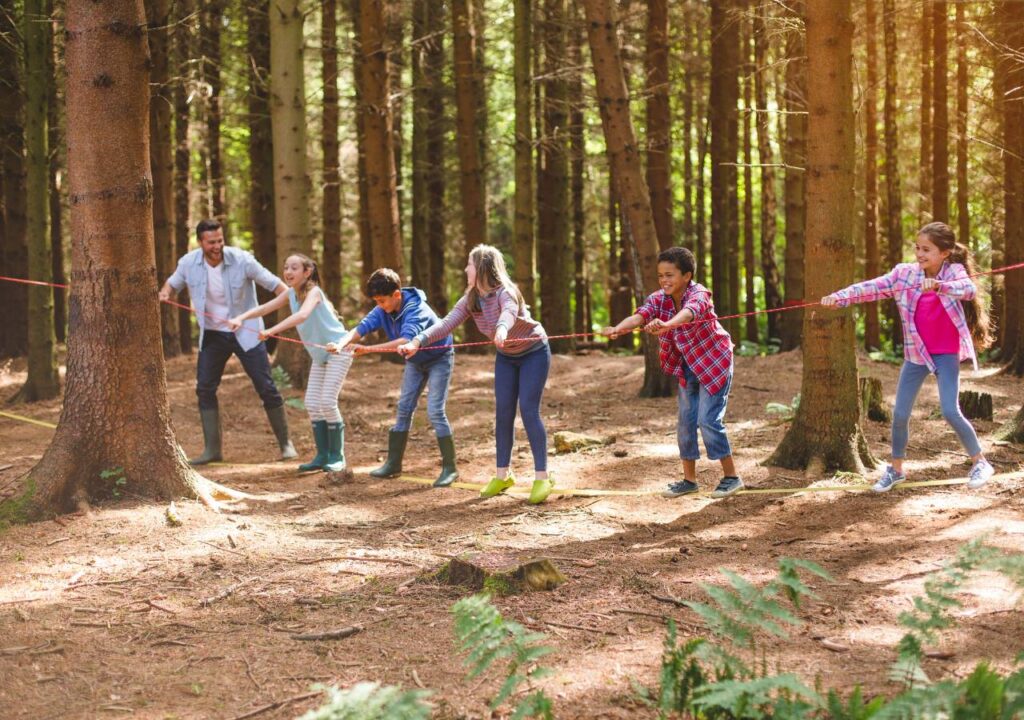
A lot of the anxiety around camp can be tamped down before the camp even begins.
Practice with less permanent but similar social situations like sleepovers or even staying at a relative’s place.
Get familiar with the way camp works and have a game plan going in. Make sure to have a clear idea of how communication with home is going to go as well, in case you need support once you’re there.
Navigating Cliques and Established Groups
There’s nothing more intimidating than feeling like everyone else has already formed friendship groups.
However, any group that’s worth being in will be open and friendly to newcomers.
Be friendly, and just ask to hang out! Have a plan for rejection, but if it happens, it is just confirmation that that is not a clique you wanted to be a part of anyway.
Camps are structures designed to mix up groups with planned activities, so you’ll have plenty of opportunities to bond with your peers, making joining new groups far easier.
Handling Differences and Conflicts
Like in any social situation, you might encounter some conflicts at camp. This is okay, and it is actually a great opportunity to learn and grow!
Make sure not to judge people at face value, and remember that everyone is in the same situation as you and is just trying to work things out.
It’s really important not to judge people based on factors they can’t control, including race, gender, sexuality, and disability. Camp is a great opportunity to confront any internal stereotypes and prejudices you may have and overcome them.
If you have an interpersonal conflict with a particular camper or group, taking a step back and using your head is always the first step. See if you can talk it out, find common ground, and resolve it between yourselves.
Of course, if you feel unsafe or have been physically harmed or threatened, it is extremely important to tell a counselor or other member of the camp’s staff right away.
The same goes for if you see anyone bullying or harming others; that behavior is not acceptable or welcome at camp!
The Role of Camp Counselors and Staff
Luckily, camps usually have plenty of staff who are prepared to help facilitate friendships and resolve conflicts!
Organized Icebreakers and Social Games
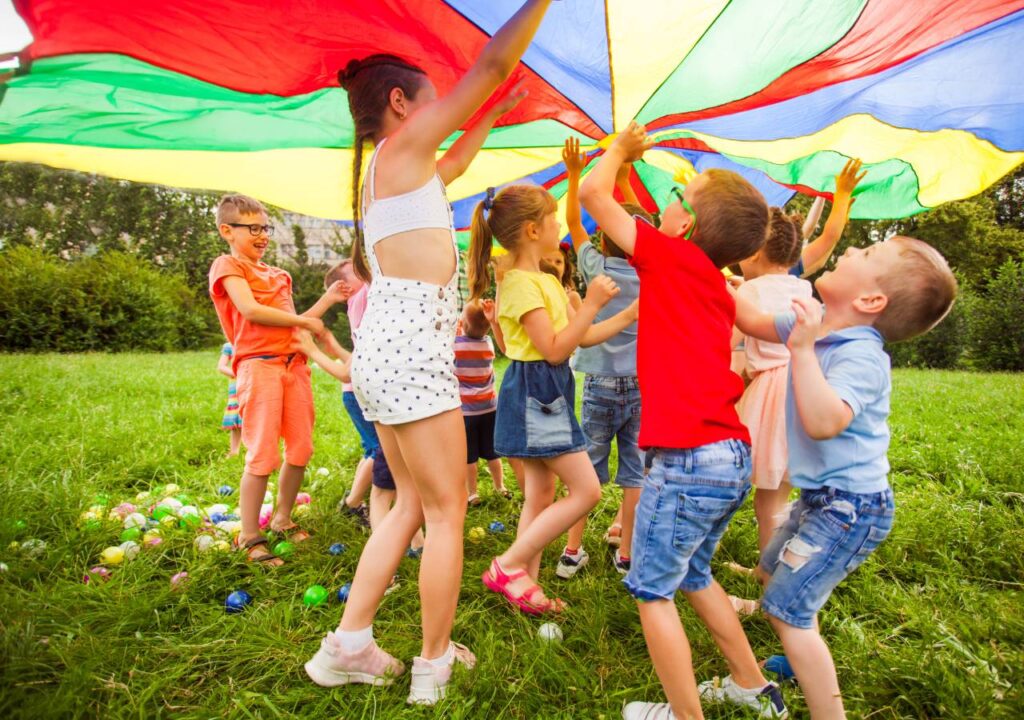
Organized icebreakers and social games are deliberately designed to break down barriers and help friendships blossom.
They enable all of the campers to mix and mingle, bring up subjects that will reveal commonalities, and get everyone talking to each other!
While these icebreakers might feel a little awkward, you should participate and share openly; it will help others notice you and want to be friends.
Creating an Inclusive Environment
The counselors and other staff are also there to make sure no one gets excluded.
This will make sure you aren’t left feeling left out. If that’s the case, don’t be afraid to mention it to a camp counselor and see what they can do.
On the flip side, you should also make sure that you aren’t making anyone feel left behind, especially if the staff intervenes.
Building Bonds Beyond Camp
One of the best things about camp friendships is that they often go way beyond just camp!
Staying in Touch Post-Camp
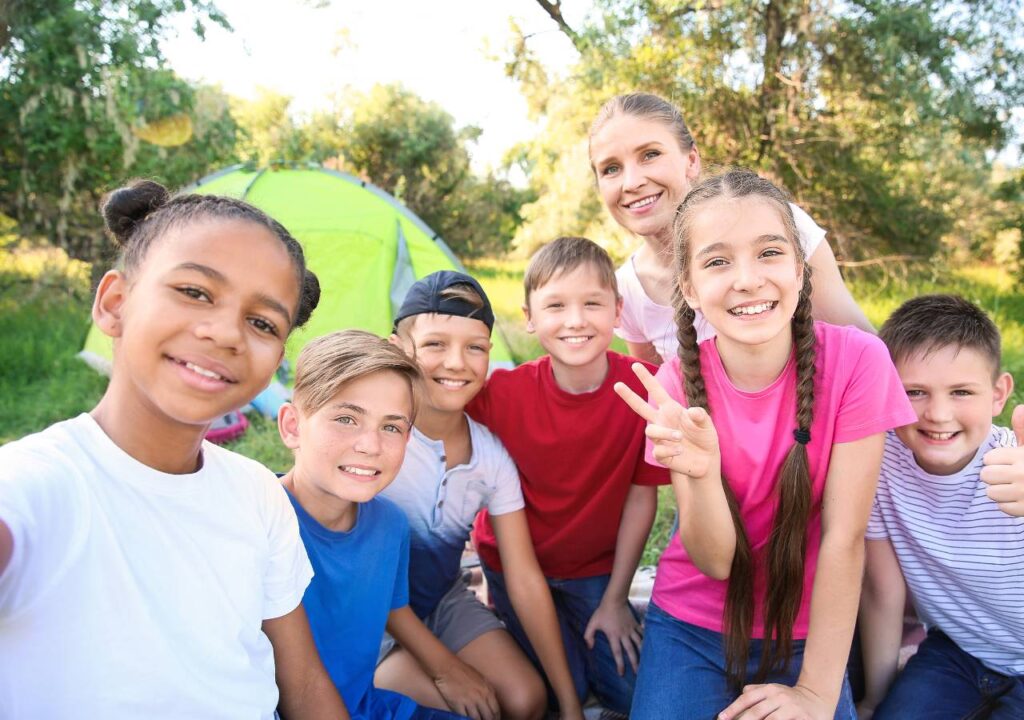
We’re lucky to live in a super-connected world, and it will likely be easy to keep in touch with your camp friends.
Either exchange your own social media information with your friend (if you feel safe and comfortable doing so) or give them your parent’s information if you do not have your own yet.
Some camps do not allow electronics to facilitate a bit of unplugged time and a fully immersive experience for their campers.
If this is the case, you can always write down details to add when you get home or get access to your device.
Plus, it’s always okay to go old school and exchange phone numbers or addresses for letter writing! Having a pen pal can be a unique outlet and a fun hobby.
Planning Reunions or Future Camp Visits
Once you’ve secured your new friendships, you’ll want to meet up and see them again at some point!
One of the best parts of exchanging contact information is the ability to facilitate future meet-ups.
This could be as simple as communicating when you’re in the same city or state or planning to attend the camp again next year.
If you’re an older camper, you can also make plans to meet up with your friends independently or plan a group reunion or get-together to make sure the fun never dies!
FAQs
Is it common to feel nervous about making friends at camp?
Yes! Almost everyone feels nervous about making friends at camp, so don’t worry—you are not alone! Being nice, friendly, and open-minded is the best way to ensure you make friends quickly.
How can I approach someone I want to be friends with?
There’s never any harm in just saying hi! Camp is set up to make things easier, though, so you’ll likely have a group project or activity to talk about or a common interest revealed in an icebreaker game.
What if I don’t click with anyone in my cabin or group?
It can be stressful if you don’t click with anyone in your immediate group! However, there are two easy options here (and you can do both at the same time):
- Make friends outside of your assigned group, based instead on similarities or common interests, while making sure to still be friendly and polite to your cabin mates and
- Give your assigned group another shot. Make sure to listen and be interested in what they have to say, help out, and not be judgmental!
How can I ensure my camp friendships last after camp ends?
Make sure to exchange contact information, and don’t be afraid to reach out! Don’t be overly discouraged if you don’t talk all the time after camp ends; people have busy lives, and you never know what’s going on. Don’t be afraid to reach out first.
At the same time, sadly, not all friendships are meant to be. If your friend isn’t showing that much interest in talking after camp ends, you shouldn’t push it. You’ll run into each other again someday!
Are there camps specifically designed for fostering friendships?
The way camps are set up encourages friendship formation, and this is true across most camps!
There are also camps focused on special interests that can help campers meet people with common interests.
Additionally, there are camps tailored for campers who may have unique physical or social difficulties where the staff is trained to help mitigate these needs and foster friendships between campers who can relate to one another.