
School’s out. You still have to work. And now your kid is bored and bouncing off the walls. Sound familiar?
For many families, summer camp solves two problems at once: it keeps children busy, safe, and active, while giving parents a break from full-time summer childcare.
A summer camp is a supervised children’s program that offers structured activities, learning, and social growth, often outdoors, during summer break.
Some camps run daily. Others let kids live on-site for a few weeks. Most focus on fun, community, and skill-building. The best ones leave kids asking to go back next year.
Summer camp has roots in the late 1800s when American educators and church groups created outdoor programs to help kids escape crowded city life. Today, there are over 20,000 summer camps across the U.S., according to the American Camp Association (ACA), serving millions of children each year.
Types of Summer Camps
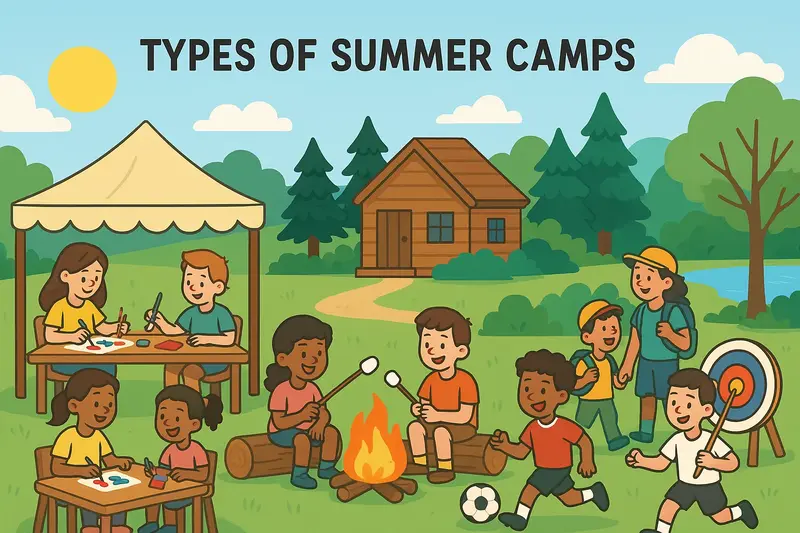
Summer camps are not one-size-fits-all. They range from weeklong art camps to 8-week wilderness adventures. Here is how to tell the difference.
Day Camps vs. Residential (Overnight) Summer Camps
Day camps run during the day, usually 9 AM to 3 or 5 PM, and send kids home at night. They are perfect for younger campers or families with evening routines. You can explore the best day camps here.
Residential or overnight camps let kids live at camp for 1 to 8 weeks. They sleep in cabins, follow a full-day schedule, and unplug from home life. Explore top overnight camps if your child is ready for a sleepaway adventure.
Wondering how they compare? Read our full breakdown of day camps vs. overnight camps.
Traditional Camps vs. Specialty Camps
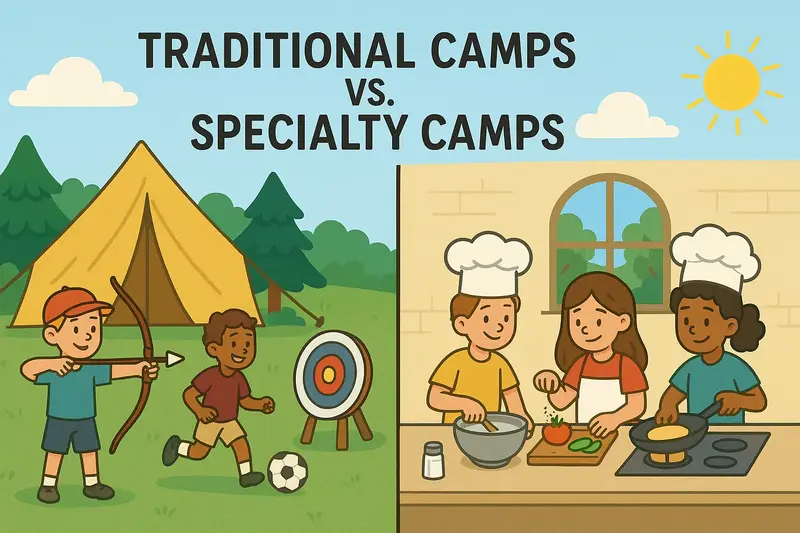
Traditional camps include a mix of outdoor games, campfires, arts & crafts, and sports. They give kids lots of freedom to try new things and socialize.
Specialty camps focus on a specific skill or theme. Common options include:
- STEM and robotics
- Performing arts
- Sports like tennis, soccer, or softball
- Outdoor survival or equestrian camps
- Music, dance, or culinary programs
If your child already has a strong interest, specialty camps offer deeper learning and mentorship.
Age-Specific Summer Camps
Camps are usually grouped by age, and most have specific programs for:
- Younger kids (5-9): short sessions, more staff support
- Tweens (10-12): team-building, skill-building
- Teens (13-17): leadership programs, CIT (Counselor-In-Training), adventure-based trips
Some camps mix ages, while others split them into smaller peer groups. You can filter by age when browsing all summer camp locations.
Inclusive Camps
Many camps offer programs for children with disabilities, neurodiverse campers, or specific dietary or medical needs. This includes camps with full ADA accessibility, support for children with autism, and medically-staffed programs for campers with chronic conditions.
The ACA requires accredited camps to comply with safety standards, background checks, and accessibility protocols. Parents can feel confident choosing from these vetted options.
What Happens at Summer Camp?
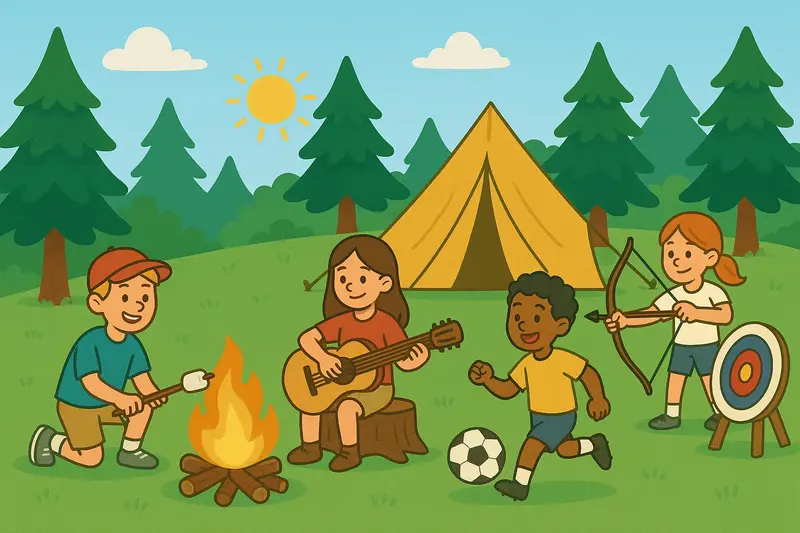
Every camp is a little different, but most follow a predictable daily rhythm that helps kids feel safe and stay busy.
Expect a mix of physical activity, creative play, and time to recharge. Camps often take place in wooded, lakefront, or rural settings, adding to the sense of adventure.
Here is a “day in the life” sample:
- 8:00 AM: Wake-up bell and breakfast
- 9:00 AM: Group games or morning hike
- 10:30 AM: Activity block: art, archery, or robotics
- 12:00 PM: Lunch and rest time
- 1:30 PM: Water games or team sports
- 3:00 PM: Snack and cabin time
- 4:30 PM: Free choice activity
- 6:00 PM: Dinner
- 7:30 PM: Campfire traditions, songs, skits
- 9:00 PM: Lights out
Many camps also include campfire traditions, field trips, talent shows, and team competitions. Camp culture often focuses on independence and confidence building, not just keeping kids entertained.
As one Reddit user put it:
“Camp changed me. I went from being quiet and anxious to someone who could lead a group. And I made friends I still talk to 15 years later.”
Benefits of Attending Summer Camp
ACA studies show that summer camps lead to real, measurable growth in kids. Top benefits include:
- Social skill development (teamwork, communication)
- Nature exploration and outdoor learning
- Physical activity and healthy routines
- Screen-free time and real-world interaction
- Problem-solving and leadership practice
- Resilience, creativity, and independence
Over 70% of parents say their child’s self-confidence improved at camp, according to ACA’s CampCounts report. And campers agree, many call it the highlight of their year.
How to Choose the Right Summer Camp

Here is how we suggest narrowing it down:
- Decide between day camps or overnight camps
- Consider your child’s age and personality
- Think about your summer schedule and location
- Match the camp to your child’s interests
- Look at reviews, safety policies, and accreditation
- Ask your child, they often know what they want
You can start exploring all summer camp options or search for camps near you with filters like age, type, and activities.
FAQ
What Is the Best Age To Go to Summer Camp?
Most kids start around age 5 for day camps and 7-9 for overnight. There is no perfect age, just the right fit for your child’s comfort level and independence.
How Much Is Summer Camp per Week?
Costs vary widely.
- Day camps average $200-$500/week
- Overnight camps range from $1,000-$2,000+/week
Prices depend on location, duration, and activities offered. Some nonprofit camps offer scholarships or tiered pricing.
Is Summer Camp Good for Shy Kids?
Yes. Many shy children thrive at camp once they settle in. Small group settings, supportive staff, and structured activities help build confidence. Look for camps with strong staff ratios and a nurturing vibe.
How Long Do Summer Camps Usually Last?
Camps can last from 1 day to 8 weeks. Most day camps run 1-2 weeks per session. Overnight camps may offer 1, 2, 4, or 8-week sessions. Some families book multiple sessions for flexibility.
What Percent of Kids Go to a Summer Camp?
According to the ACA, over 30 million children attend camps annually in the U.S. That includes both day and residential programs. Camp is more popular than ever, and growing.