
Are you planning to start your own summer camp business? After all, they can be a rewarding and profitable endeavor! However, there’s a lot of resources, work, and planning that goes into starting a new camp, and many different factors to consider – including an effective summer camp business plan.
If you want your camp to be a success, you need to start out on the right foot.

Luckily, in this article, we’ll give you some of the tools you need to make an amazing camp and business! We’ll cover all the basics you need to get started, including:
- Understanding the summer camp business market
- Defining your camp’s vision and mission
- Analyzing your business competition
- Developing a robust camp program
- Financial business planning and budgeting
- Marketing and promotion strategies to drive camp registration
- Operational planning
- Risk management and facility safety protocols for camp staff
- Measuring success and growth opportunities.
Let’s get into it so you can start planning your camp ASAP!
Understanding the Summer Camp Market: A Camp Owner Perspective

While the summer camp industry was at the highest it has ever been in 2018 and 2019, the COVID-19 pandemic understandably led to the market taking a massive hit.
However, summer camps are now getting back into the swing of things and the market is growing once more.
This means it’s a great time to join the playing field, with renewed interest and gaps in the market from business closures.
A big part of ensuring interest in and profitability of your summer camp is knowing your area.
Naturally, there’s increased demand for camps in areas that are more densely populated.
If you’re just starting out, it’s unlikely that campers are going to want to travel too far to your camp unless you have major attractions like unique facilities, a beautiful body of water, or stunning nature.
Many parents place their kids in camp while they’re working, so it’s essential that your camp is easy to commute to (unless it’s an overnight camp which provides more flexibility!).
It’s also key to have an attractive theme. A recent market analytics publication showed that the most popular types of camps currently are (in order of popularity):
- Sports camps
- Wilderness camps
- Team building camps
- Community Service camps, and
- Farming/Ranching/Gardening camps.
Play to your strengths, your budget, and what’s popular in your area when choosing what type of camp to run!
Defining Your Camp’s Vision and Mission

Once you’ve researched your market, you need to clearly define the mission of your camp before you can do anything else.
As well as thinking about your target audience, you need to consider budget constraints and logistics.
For example, running a daytime crafts camp takes a lot less overhead than an overnight sports camp. However, it will likely also be less profitable in the long run. Try using these questions to clarify your camp’s vision!
- If I could run the camp that I think would be the most popular, what would it be?
- What special skills, assets, or attributes can I bring to make a popular and unique camp to drive camp enrollment?
- What are the barriers (budget, location, training, etc.) that are preventing me from starting that camp?
- Which of these barriers can I reasonably expect to overcome (and how), and what will I need to compromise on?
- How can I describe my camp in clear, succinct, and marketable terms?
Try and have your mission written down in clear, easy-to-understand terms with little room for confusion so you have a strong starting point to begin planning off of.
Analyzing Your Business Competition

Once you know what type of camp you’re going to start, you need to see what else is out there.
If there’s a camp in your area that is very similar and already popular, try and find out if they’re at capacity.
If they can easily accommodate the demand, you may need to go back to the drawing board. If not, you may have identified a need for your camp in your community!
Generally, you’ll want your camp to stand out from others. Make sure you are offering a unique and attractive service that’s not available elsewhere.
Look at news and forum boards to find out what parents and campers like about the camps in your area, and (more importantly) what their pain points are.
If your camp can solve your customers’ problems with your competition, you’ll be a clear frontrunner!
Developing a Robust Camp Program

You need to be able to make good on what your camp is offering, whether that’s a fun time, honing a skill, education, physical activity, or a mixture of the above.
You need to consider the theme of your camp, as well as the target age group of campers.
For instance, younger children may need designated nap time and more time to take breaks and run around, while older kids and teens will be able to focus on a single task for longer (though they’re likely still going to want ample time to goof off!).
Make sure you have a list of your goals for the camp, especially if you’re having an educational curriculum.
Then plan on how you will achieve those goals by breaking them down into small, easily actionable steps with a clear timeline.
You’ll need to be able to communicate well with prospective parents exactly what their children will be doing at your camp and what they can hope to gain from the experience.
Financial Business Planning and Budgeting

The most important step to ensuring your summer camp is profitable is watertight financial planning and budgeting with a solid business plan.
Once a camp is situated, they can turn anywhere from 25 – 40 % sales profit. However, it takes both time and strategy to reach larger industry revenue numbers, and start-up costs can be high!
Make sure to take into account the price of services, equipment, facility, and training of staff, as well as their wages when you’re working out how much to charge for your camp.
More skilled staff will need to be paid at a higher rate, while high school or university students will be your most likely employees if you just need another pair of hands. However, it’s still great to pay them a living wage if you can!
You should also always allow for some wiggle room for unexpected expenses or disasters, as you don’t want to be out of pocket if something goes wrong.
You’ll also need to ensure you have a POS system, ledgers, and payroll software set up and tested before you start hiring staff and enrolling campers.
Marketing and Promotion Strategies

For your camp to make any money at all, people have to attend – and for them to attend, they need to know about it!
Make sure to make use of social media, digital marketing, and local community groups, but don’t discount the old-school marketing strategies like flyers and even word of mouth. These work especially well for camps that function as a small business.
Reach out to local schools to see if they’re looking for summer partnership programs; you may get free advertising or even cheaper venues and equipment in exchange for curriculum-aligned summer goals.
Attend local events to promote your camp as well, and take a look into programs that facilitate the grouping of camps or direct parents to camps that suit their needs. More than anything, it’s important to get your name and brand out there!
Operational Planning

With summer camps, it’s essential that everything runs smoothly from start to finish.
Make sure to secure your organization’s location early, and to do a walk-through or overview at setup before the start of camp to ensure you have everything you need and that everything is working properly.
You’ll also need a plan for camp equipment when the camp ends, whether that’s storage, repurposing, or renting.
Maintain open lines of communication with your staff, and make sure everyone knows when they’re expected to be working.
Remember: you’re the one managing the camp, so it’s your job to ensure staffing and cover – not your employees. Have a clear schedule for breaks as well; you want everyone to be at their best!
Risk Management and Safety Protocols for Camp Staff
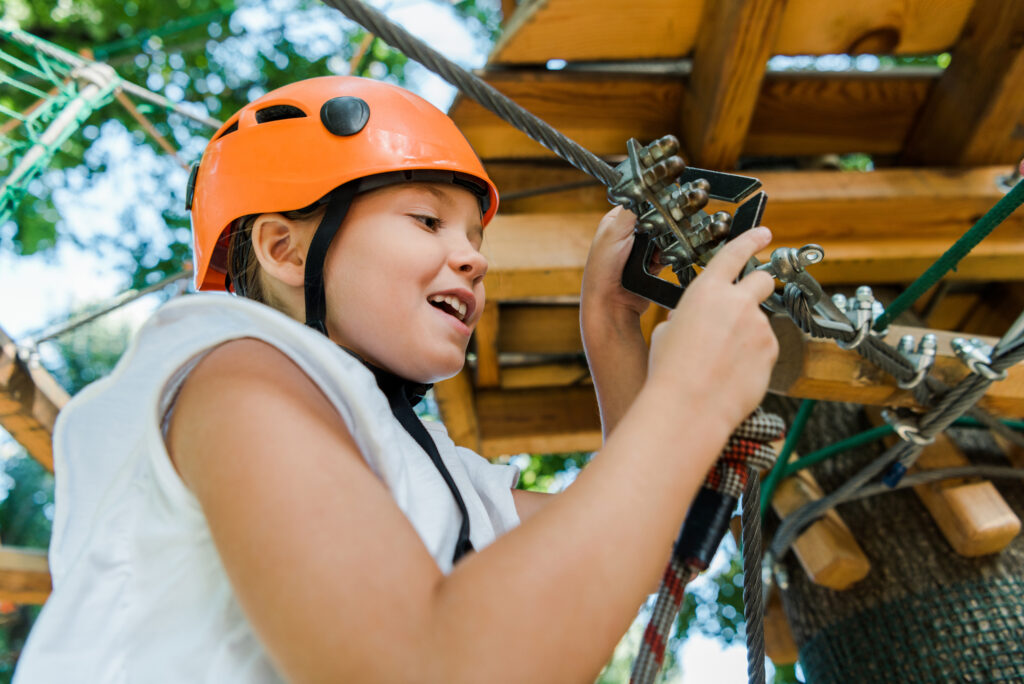
It’s important to follow official protocols to ensure your camp is running legally and safely with regulations and trusted camp management.
The fine details on what you’ll need to do vary between state and region. However, as a bare minimum, you need to ensure that you’re registered as a business and have formal contracts for your staff.
You also need to keep health and safety protocols in mind. Your location will likely need permits, fire safety protocols, and other measures in place.
You can find information on exactly what is required from your town or state governmental website, or in person at places such as the library or town hall.
You also will need to research the training requirements of your staff based on the activities at your camp and the age of your campers.
As a bare minimum, some first aid training and CPR certification are always a good idea. If your camp has physical activity (especially if it’s water-based), more rigorous safety training will be necessary.
Make sure to have parents inform you of any allergies, health problems, or other special needs of their campers before they enroll in the camp.
You need to ensure you can accommodate them and keep their child happy and safe with the right resources!
On the first day of camp, go over safety plans with your campers (including fire and other emergency plans), and make sure to remind them of these regularly especially if you have younger campers.
Measuring Business Plan Success and Growth Opportunities

If you’re looking to run a super successful camp, the best way to learn is to do it!
Keep detailed notes about issues each day, what you did to overcome them, and what steps you can take to prevent them from happening in the future.
Make sure to note down your successes as well; after all, camp is hard work and you need to remember your wins!
Track what features of camp were particularly sought after by parents and campers, and what ones weren’t the draw you thought they’d be.
If possible, ask the campers and their parents for feedback directly at the end of camp!
If your camp was a success, it’s never too early to think about how you can upscale for next summer or even to adapt into a winter holiday program!
Final Thoughts
While running a summer camp can be a profitable and rewarding business, there’s a lot that goes into running a successful camp.
However, following this basic blueprint, we hope you now have a good idea of what it takes and are excited to start planning your camp!