
Preparing for sleepaway camp can be an exciting yet daunting experience for both parents and children. Ensuring a smooth transition from home to camp life is essential for a restful and enjoyable adventure. In this guide, we offer practical tips to help your child feel prepared and confident, from packing the right essentials to addressing homesickness. Our expert advice will equip you with everything you need to support your child’s journey and make sleepaway camp a memorable highlight of their summer. Discover how a little preparation can lead to a successful and fulfilling camp experience.
Brief Overview
Preparing for sleepaway camp is an exciting milestone, filled with opportunities for growth and independence. By understanding different camp types such as STEM, sports, and arts, parents can align their child’s passions with enriching experiences. Essential packing and open discussions about camp life boost readiness and confidence. Ensuring medical forms are complete and emergency plans are in place provides peace of mind. Post-camp, encouraging children to share their experiences fosters reflection and emotional development. With these strategies, your child’s camp adventure will be both restful and rewarding. Visit SummerCamps.com for expert guidance on choosing the perfect camp. For budget-friendly options, check out our guide on how to find affordable summer camps.
Key Highlights
- Explore various camps: STEM, sports, or arts to match your child’s interests and strengths.
- Create a comprehensive checklist to ensure no packing essentials are missed.
- Discuss daily routines, expectations, and personal goals to boost your child’s confidence for camp.
- Complete medical forms and establish emergency plans for your child’s health and safety during camp.
- Encourage post-camp reflections to enhance communication, emotional intelligence, and learning.
Understanding the Different Types of Sleepaway Camps
Parents looking for a suitable sleepaway camp for their kids have plenty of options to consider. Understanding the different types of camps available can help you choose one that aligns with your child’s interests and strengths. From camping adventures in nature to specialized programs focusing on specific interests, sleepaway camps offer unique experiences. Whether your child is interested in science, sports, or the arts, understanding these choices ensures you’ll find the right fit. With the perfect camp choice, you can foster growth, encourage independence, and ensure a memorable summer.
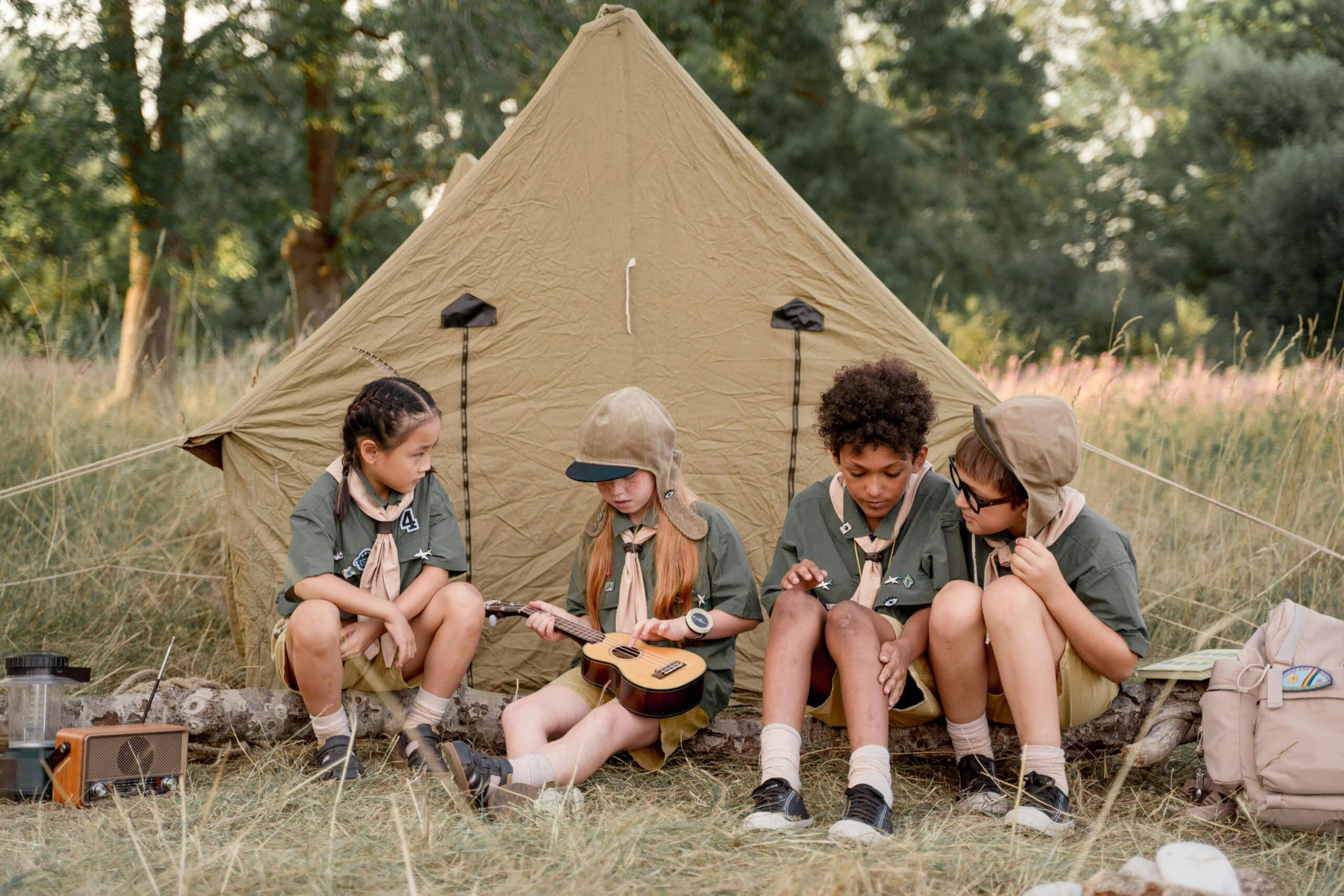
Choosing Between STEM, Sports, and Arts Camps
Choosing the right camp is about aligning your child’s passions with their summer experience. STEM camps, known for enrichment in science, technology, engineering, and mathematics, stimulate intellectual growth and curiosity. Kids can dive into tech projects or collaborate on engineering challenges. Sports camps, on the other hand, hone athletic skills and build team spirit, offering not just training but valuable lessons in discipline and strategy. Arts camps inspire creativity, allowing kids to express themselves through various mediums like music, painting, or drama. Each type offers a unique journey, so consider your child’s talents and aspirations for a fulfilling camp experience.
Essential Packing Tips for a Comfortable Stay
Embarking on a sleepaway camp adventure is exciting, yet preparation is key to ensuring a comfortable stay. Parents can make their child’s camp experience smooth and enjoyable by packing thoughtfully. Start with the basics: sturdy shoes for hiking, comfortable clothes for daily activities, and weather-appropriate gear. Don’t forget personal items that bring comfort from home. A streamlined packing list makes all the difference, ensuring nothing is left to chance. Furthermore, including items for personal hygiene, such as sunscreen and insect repellent, ensures your child stays safe and protected during their outdoor adventures.
Creating a Checklist to Ensure Nothing is Forgotten
Creating a detailed checklist is essential in packing for a successful sleepaway camp experience. Start by jotting down necessities: clothing, toiletries, and bedding essentials like a sleeping bag or comforter. Consider the camp’s activities and pack accordingly, including swim gear for lakeside fun or additional layers for cooler evenings. Include unique items like a favorite book or small family photos to comfort children. Verify camp guidelines for prohibited items to avoid issues. Double-check the list with your child to give them a sense of responsibility and involvement. With thorough planning, you’ll ensure your child has everything they need for a memorable camp stay.
Preparing Your Child Emotionally for Sleepaway Camp
As the day approaches for your child’s sleepaway camp adventure, emotional preparation is just as crucial as packing the right gear. It’s natural for kids to feel a mix of excitement and nervousness about being away from home. Open discussions can smooth the transition and foster a positive outlook. According to LCM Health, it’s important to “practice independence at home … discuss homesickness … and reassure them that it’s a normal feeling.”Encouraging your child to express their feelings helps them understand and manage their emotions. With the right support, your child will gain confidence, independence, and the ability to embrace new experiences, making their camp experience truly enriching and unforgettable.
Discussing Expectations and Boosting Confidence
Discussing expectations with your child is key to preparing them emotionally for camp. Start by explaining the daily routine they can anticipate, such as scheduled activities and meal times. Share stories or anecdotes from your own camp experiences to make them feel at ease. Encourage your child to set personal goals for camp, like making new friends or trying a new hobby. Emphasize the importance of being open to new experiences and remind them that it’s normal to feel homesick at first. By addressing their concerns openly, you’re not only boosting their confidence but also equipping them with valuable coping skills for the future. Engaging them in conversations about the adventures ahead, you’ll help them look forward to the journey with excitement and assuredness.
Health and Safety Considerations for Peace of Mind
Ensuring your child’s health and safety at sleepaway camp is paramount to giving you peace of mind. From addressing medical needs to preparing for emergencies, this aspect of camp preparation helps create a reassuring environment for both parents and children. In this section, we’ll discuss how to manage essential medical paperwork and establish effective emergency plans, ensuring that your child is equipped for a safe camping experience. These steps aim to protect their well-being while fostering independence and resilience during their adventure.
Ensuring Medical Forms and Emergency Plans Are in Place
Before your child heads off to sleepaway camp, completing the necessary medical forms is crucial. These forms provide the camp staff with vital information about your child’s health, such as allergies, medications, and medical history. Make sure you double-check that all medical details are accurate and updated. Consider scheduling a pre-camp physical check-up to address any health concerns and get a healthcare professional’s perspective on what your child might need during camp. Additionally, establishing an emergency plan with camp staff is essential. Discussing their protocols for emergencies ensures that you and the camp team are aligned on how to handle potential situations. By preparing these forms and plans, you contribute significantly to ensuring your child’s safety and enable them to fully enjoy the camp experience without unnecessary worries.
| Consideration | Actions Required | Benefits |
|---|---|---|
| Medical Screenings | Conduct pre-camp health assessments | Identifies potential health issues |
| Emergency Protocols | Establish and communicate response plans | Ensures preparedness and quick response |
| Hygiene Practices | Implement regular sanitization routines | Reduces risk of illness |
| Staff Training | Provide health and safety workshops | Enhances staff ability to manage situations |
| Supervision Regulations | Set clear camper-to-staff ratios | Improves monitoring and support |
This table encapsulates the proactive measures necessary to ensure health and safety at sleepaway camp, fostering confidence in both parents and campers.
Making the Most of Post-Camp Reflections
After a thrilling summer filled with fun and learning, reflecting on sleepaway camp experiences is crucial for kids. These reflections help integrate their adventures with personal growth, ensuring lifelong memories and valuable life lessons. Encouraging kids to share what they’ve gained fosters communication and emotional intelligence. From newfound independence to skills in collaboration, each post-camp conversation can offer insights into their journey. By reflecting on these experiences, parents can identify strengths and areas for further exploration, deepening the bond with their child while preparing them for future adventures.
Encouraging Kids to Share Their Experiences and Growth
Creating a supportive environment where kids feel comfortable sharing their camp experiences is essential. Start by asking open-ended questions that require more than yes or no answers, such as, “What surprised you the most at camp?” or “What was the best part of your day?” This approach encourages them to reflect and communicate detailed stories about their time away. Listening attentively without interruption shows that you value their thoughts and experiences, fostering a safe space for sharing. Acknowledge their achievements and efforts, reinforcing positive experiences while discussing any challenges faced, helping kids see how they’ve grown and developed new skills. This reflection not only aids in processing adventures but also boosts their confidence and emotional maturity. By prioritizing these conversations, you’re ensuring their camp journey becomes a cherished memory that they’ll carry with them as they become more independent and resilient.
Embarking on a sleepaway camp adventure is an exciting milestone for both parents and children. By following these essential tips, you can ensure your child’s camp experience is both restful and rewarding. Remember to pack thoughtfully, communicate any special needs, and encourage independence. As you wave goodbye, know that you’re providing your child with invaluable skills and memories that will last a lifetime. For more resources and expert advice on choosing the perfect camp, visit SummerCamps.com and let us guide you every step of the way to a successful camp experience.
What types of sleepaway camps are available for kids?
Sleepaway camps come in various types, including STEM, sports, and arts camps. STEM camps focus on science, technology, engineering, and mathematics, encouraging intellectual growth. Sports camps emphasize athletic skills, teamwork, and discipline. Arts camps foster creativity through activities like music, painting, and drama.
How can I prepare my child emotionally for sleepaway camp?
Emotional preparation involves open discussions about daily routines, expectations, and personal goals. Encourage your child to express their feelings and set goals such as making new friends or trying new activities. This boosts their confidence and equips them with coping skills.
What should be included in a packing checklist for sleepaway camp?
A checklist should include clothing, toiletries, bedding essentials, and weather-appropriate gear. Pack personal items like a favorite book or family photos for comfort. Don’t forget to include hygiene items like sunscreen and insect repellent.
What steps should I take to ensure my child’s health and safety at camp?
Complete and double-check medical forms to provide accurate health information. Schedule a pre-camp physical check-up if possible. Establish clear emergency plans with camp staff to ensure safety measures are in place.
How can post-camp reflections benefit my child?
Encourage your child to share their camp experiences through open-ended questions. This enhances communication skills and emotional intelligence. Reflecting on camp adventures fosters personal growth, highlights new skills, and strengthens the parent-child bond.