
Summer camps offer more than just fun and games, they nurture independence and self-assurance in kids and teens. As a trusted resource for summer programs, we understand the profound impact camp experiences have on a child’s growth. From navigating new environments to building crucial life skills, these programs are a breeding ground for personal development. By stepping outside their comfort zones, children embrace challenges and build resilience, setting the stage for lifelong confidence. Discover how summer camps can empower your child to flourish and thrive independently this summer.
Brief Overview
Summer camps are transformative experiences that nurture children’s independence, confidence, and social skills, setting the stage for future success. They encourage kids to make their own decisions, engage in diverse activities, and forge lifelong friendships while learning essential life skills. From STEM programs boosting problem-solving abilities to sports camps enhancing teamwork and resilience, camps offer a rich blend of opportunities that empower children to thrive independently. As parents explore camp options, selecting programs tailored to their child’s interests can provide a supportive and enriching environment for personal growth and development.
Key Highlights
- Summer camps foster independence, teaching children to navigate new experiences without parental guidance.
- Programs encourage decision-making, helping kids build confidence in choosing activities they enjoy.
- STEM and creative programs nurture problem-solving skills and unleash creativity.
- Team sports at camp enhance self-esteem, teaching collaboration and communication.
- Camps instill accountability in kids through everyday tasks, boosting self-confidence and self-reliance.
The Role of Summer Camps in Encouraging Independence
Summer camps play a pivotal role in fostering independence among children and teens. These camps provide a nurturing environment where young campers learn to navigate new experiences without relying on parental guidance. Such experiences are invaluable as they help your child to grow and build confidence in their abilities. At these camps, kids learn responsibility through everyday tasks and develop decision-making skills in a supportive setting. Let’s explore how camps encourage children to make choices independently. According to Harvard’s Center on the Developing Child, early social interactions in structured environments play a crucial role in shaping a child’s ability to work independently, communicate effectively, and develop lasting resilience.
Making Choices: Learning to Make Decisions without Parental Oversight
At camp, children are often encouraged to make their own decisions, from choosing activities to deciding how to spend their free time. This autonomy is crucial for building independence at summer camp. In this nurturing setting, kids can explore different interests and learn which activities they truly enjoy, without pressure from parents. Camps offer structured environments where children are gently guided to weigh their options and make informed decisions. Through these choices, kids begin to trust their instincts and develop self-sufficiency. Parents will find that this boost in independence can significantly enhance their child’s motivation and confidence as they return home.
| Aspect | Role at Camp | Skills Developed | Outcome |
|---|---|---|---|
| Decision-Making | Encourages choice-making in daily activities | Critical thinking, problem-solving | Confidence in personal decisions |
| Group Activities | Promotes teamwork and collaboration | Communication, leadership | Ability to work effectively with others |
| Personal Projects | Supports setting and reaching personal goals | Goal-setting, perseverance | Sense of achievement and self-reliance |
| Outdoor Challenges | Introduces risk-taking in safe environments | Risk assessment, resilience | Increased self-confidence and adaptability |
This table showcases how summer camps nurture independence by providing a supportive environment for children to make decisions and discover their abilities.
Developing Confidence Through Diverse Camp Experiences
Summer camps provide an exciting array of experiences that cultivate confidence and independence in children and teens. With varied programs, from STEM to creative arts, kids not only explore new interests but also develop essential life skills. Each activity is designed to challenge campers, encouraging them to step out of their comfort zones and embrace new challenges. These diverse experiences at camp help foster a sense of achievement and self-reliance in young minds. Let’s delve into how specific programs, like STEM and creative arts, nurture problem-solving abilities and creativity in campers.
STEM and Creative Programs: Nurturing Problem-Solving and Creativity
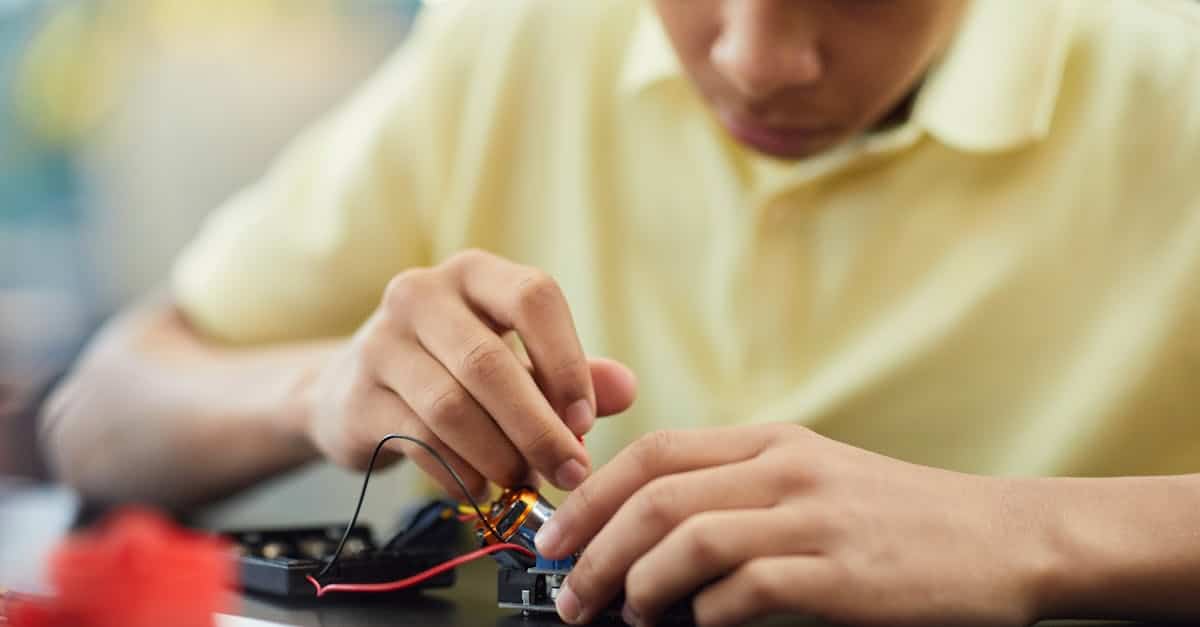
STEM and creative programs at summer camps provide fantastic opportunities for children to hone their problem-solving skills and unleash their creativity. STEM activities, such as robotics or coding workshops, encourage kids to tackle challenges logically and methodically. As they design and build, they gain insights into critical thinking and persistence. Meanwhile, creative programs in art, drama, or music offer a different outlet, allowing campers to express themselves openly and think outside the box. This blend of analytical and imaginative experiences shapes confident learners who are not afraid to approach problems from unique perspectives. By participating in these programs, children start to see the value in their efforts, learning that mistakes are just stepping stones to success, thus enhancing their self-esteem significantly.
Building Resilience with Team Sports and Challenges
Summer camps are fantastic avenues for fostering resilience in young individuals through team sports and challenges. These activities are not just about winning or losing; they teach campers vital life skills, promoting emotional growth and physical well-being. Through engaging in team sports, children develop a sense of camaraderie and learn to tackle challenges head-on, boosting their confidence. Such experiences prepare them for life outside camp, instilling values of perseverance and teamwork. Let’s explore how sports camps specifically enhance self-esteem and teamwork among children, making them more resilient and independent.
Sports Camps: How Physical Activities Enhance Self-Esteem and Teamwork
At sports camps, children immerse themselves in a range of physical activities that nurture both self-esteem and teamwork. The camaraderie formed during team sports such as soccer, basketball, or volleyball helps campers understand the importance of collaboration and communication. As they work together to achieve common goals, kids build relationships grounded in trust and mutual support. Such experiences effortlessly boost their confidence as they see the results of their collective efforts. Furthermore, as children improve their physical abilities and tackle new challenges, they garner a sense of accomplishment. This newfound self-confidence translates to assertiveness in other areas of life, fostering a more resilient and capable individual who thrives in and out of camp settings.
Social Skills and Peer Interactions at Camps
Summer camps are vibrant environments where children can enhance their social skills and form meaningful peer interactions. In these settings, kids are encouraged to engage in activities that require cooperation, fostering a sense of community and mutual respect. As campers participate in various group events and challenges, they learn how to navigate different social dynamics, which is pivotal for their personal growth and confidence. These experiences are not just about making friends; they are about understanding the importance of teamwork and developing communication skills that will benefit them long after camp ends. For families who want to support their child’s growing independence while still sharing the experience, family summer camps in California offer a balanced environment where kids can explore on their own with parents close by.
Fostering Friendships: Emphasizing Cooperation and Communication
Friendship-building at camps extends beyond mere socializing; it involves learning valuable cooperation and communication skills that last a lifetime. Camps actively design activities that require teamwork, where every camper must listen to others, share ideas, and offer support. This process naturally enhances children’s communication skills, allowing them to express their thoughts clearly and coordinate seamlessly with their peers. Cooperation doesn’t just happen on the field; it’s in every shared task, from setting up tents to preparing meals. Through these interactions, kids learn the joy of working together, making connections that extend beyond the summer months. These friendships, forged in the spirited environment of summer camps, help foster a sense of belonging and acceptance, crucial for developing a child’s confidence and independence.
Empowering Children with Responsibilities and Growth
Summer camps are the perfect setting for children to embrace responsibilities while experiencing personal growth. By participating in various tasks and activities, campers learn the importance of accountability and develop essential life skills that contribute to their independence. Campers engage in diverse responsibilities, from setting up their accommodations to managing a team project, fostering a sense of ownership and maturity. In this nurturing environment, children gain priceless insights into their capabilities, setting the foundation for their future roles. Let’s take a closer look at how everyday tasks at camp underscore the significance of responsibility in their journey. Overnight programs are especially effective at fostering self-reliance because children learn to navigate daily routines, make decisions, and build friendships without parental guidance, all of which are central to the overnight summer camp experience in California.
Everyday Tasks: Understanding the Importance of Accountability
At camp, everyday tasks provide children with a platform to understand and develop accountability. Whether it’s making their bed, organizing their belongings, or cooking a simple meal over the campfire, these small yet significant responsibilities teach invaluable life lessons. Completing these tasks independently makes children feel accomplished, bolstering self-confidence and self-reliance. As they engage in these duties, kids quickly realize the importance of finishing what they start, learning the direct consequences of their actions , or inaction. Such hands-on experiences naturally develop an understanding of responsibility, which is crucial for personal growth and development.
Summer camps offer an enriching environment where children develop a sense of independence and confidence, preparing them for future challenges. By participating in diverse activities and forming new friendships, campers learn vital life skills that boost personal growth. As parents, choosing a camp that aligns with your child’s interests provides them a nurturing space to explore and succeed. For more information, explore our directory of top-rated camps designed to support every child’s journey to self-reliance, from STEM and sports programs to creative arts experiences. For those interested in options within California, our directory provides top-rated camps that emphasize independence. Start your child’s adventure today and watch them thrive!
What are the benefits of sending my child to a summer camp?
Summer camps offer a nurturing environment that focuses on fostering independence, confidence, and social skills. Children engage in activities that boost personal growth, such as decision-making, teamwork, and creative problem-solving. Camps encourage children to explore interests and form lifelong friendships, setting the stage for future success.
How do summer camps foster independence in children?
Summer camps encourage independence by providing a setting where children make their own decisions, from activity choices to managing their time. This autonomy helps kids develop self-sufficiency and confidence in their abilities, ultimately enhancing their motivation and resilience.
What kinds of activities help build problem-solving skills at camp?
STEM programs such as robotics workshops and creative arts sessions, like drama or music workshops, offer activities that nurture problem-solving skills. These experiences encourage children to approach challenges logically and creatively, fostering critical thinking and persistence.
How do sports camps enhance teamwork and resilience among children?
At sports camps, team-based activities help children understand the importance of collaboration and communication. They learn to work toward common goals, which boosts self-esteem and fosters a sense of camaraderie. These activities instill perseverance and teamwork skills that are vital for personal development.
In what ways do summer camps teach responsibility and accountability?
Children engage in daily tasks like setting up accommodations or managing projects, teaching them responsibility. Such activities instill the value of accountability, helping kids understand the consequences of their actions and fostering a sense of ownership and maturity.